


Weather conditions have a significant impact on business activities. In fact, according to the U.S. Department of Commerce, 70% of the global economy is believed to be weather-dependent. So, what exactly is a weather-sensitive business?
A company is considered as weather-sensitive when weather conditions directly influence its planning, operations, and sales trends. These impacts can work both ways. Consider a heatwave: it might drive people away from exposed outdoor tourist sites. Yet the same heat wave could boost sales at air-conditioned museums and cinemas.
The rising threat of extreme weather
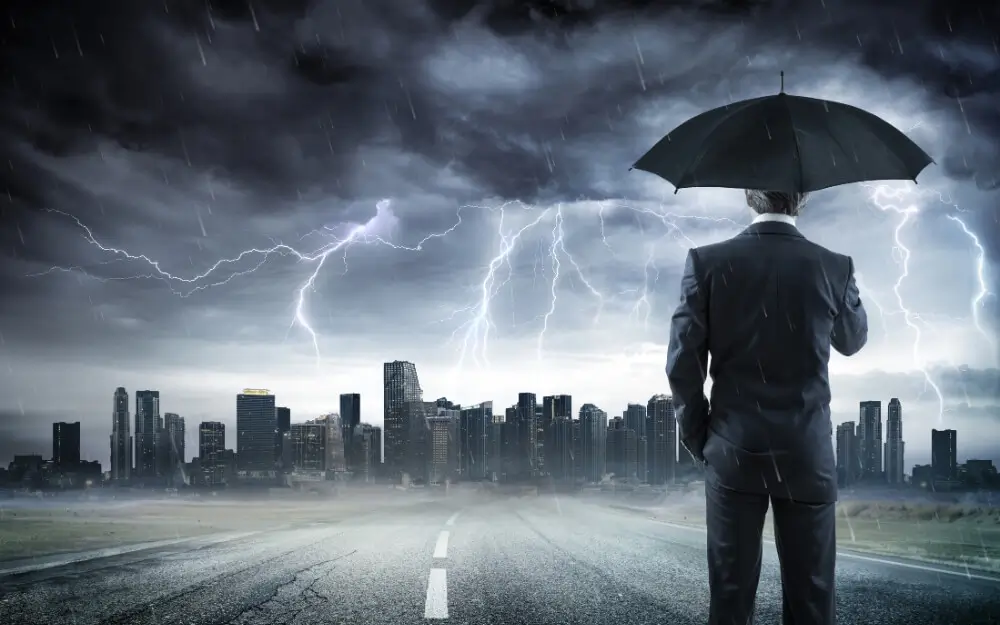
Climate change brings more frequent extreme weather events. These events are hard to predict and can seriously threaten companies through multiple risks:
- Employee and customer safety
- Supply chain disruption
- Financial losses
- Merchandise damage
- Declining customer satisfaction
- Environmental pollution
Which sectors feel the impact most?
Not all industries face equal weather dependency. The most sensitive sectors include agriculture, tourism, transportation, construction, energy, events, healthcare, logistics, and the environment.
🚜 Agriculture
Farmers face heavy impacts from weather conditions. Their operations depend on factors like temperature, precipitation, and humidity. Prolonged droughts, floods, frost, or storms destroy crops and create financial difficulties.
🏗️ Construction
Weather conditions like heavy rain, snow, or extreme temperatures delay or halt construction projects. These disruptions cause project delays, additional costs, and logistical challenges.
🌆 Smart Buildings
Weather forecasts help optimize smart building operations and enhance occupant experiences. Intelligent building systems integrate weather data to anticipate external conditions like temperature, humidity, precipitation, and sunlight. This anticipation helps systems regulate heating, ventilation, and air conditioning (HVAC) systems based on projected needs, minimizing energy consumption while maintaining indoor comfort.
Weather forecasts also enable better planning of energy resources. Lighting and automated shades adjust in sync with upcoming atmospheric conditions. Smart algorithms combine weather forecasts with other building data. This creates more energy-efficient, pleasant, and efficient environments that reduce carbon footprints.
🚚 Transport
Weather forecasts play a critical role in managing passenger and cargo transportation. These forecasts provide insights into upcoming weather conditions. Operators use this information to plan and adjust their activities accordingly.
For passenger transportation, forecasts help anticipate potential delays and improve safety. They also provide real-time information to travelers. In the case of cargo transportation, weather forecasts influence logistic decisions, aiding in loss prevention, optimizing routes, and adjusting inventory based on expected demand. Overall, meteorological data enhances efficiency, resilience, and stakeholder satisfaction in the transportation sector.
⚡ Renewable energy sector
Renewable energy sources face a major challenge, the intermittent production caused by weather conditions. In the case of solar energy, the impact of a cloudy spell over a solar power plant can be very significant and can lead to an 80% drop in production within minutes. Similar challenges apply to wind turbines, where production variability is directly linked to wind patterns. variability links directly to wind patterns.
Weather forecasts become essential for reliably integrating solar and wind energy into the power grid, providing valuable data to balance real-time supply and demand. These forecasts form a foundational pillar for effectively harnessing solar and wind potentials. They contribute to efficient and stable renewable energy production.
Solutions for weather-sensitive businesses
More and more business leaders now recognize their sensitivity to weather. They actively seek relevant solutions to reduce these risks. Among the innovative options available, decision support tools integrate high-performance weather data into intelligent software. These reliable and precise data enhance operational and strategic decision-making. Companies use resources more efficiently and reduce environmental impact based on upcoming weather conditions.